Why Does My Breath Still Smell Even After Brushing?
Many individuals experience persistent bad breath despite brushing regularly. This concern is especially common among patients visiting their dentist in Steele Creek, where ongoing halitosis can feel frustrating or even embarrassing.
The good news is that consistent brushing may not be the problem, but understanding what’s being missed often leads to lasting relief.

Brushing Isn’t Always the Cure-All
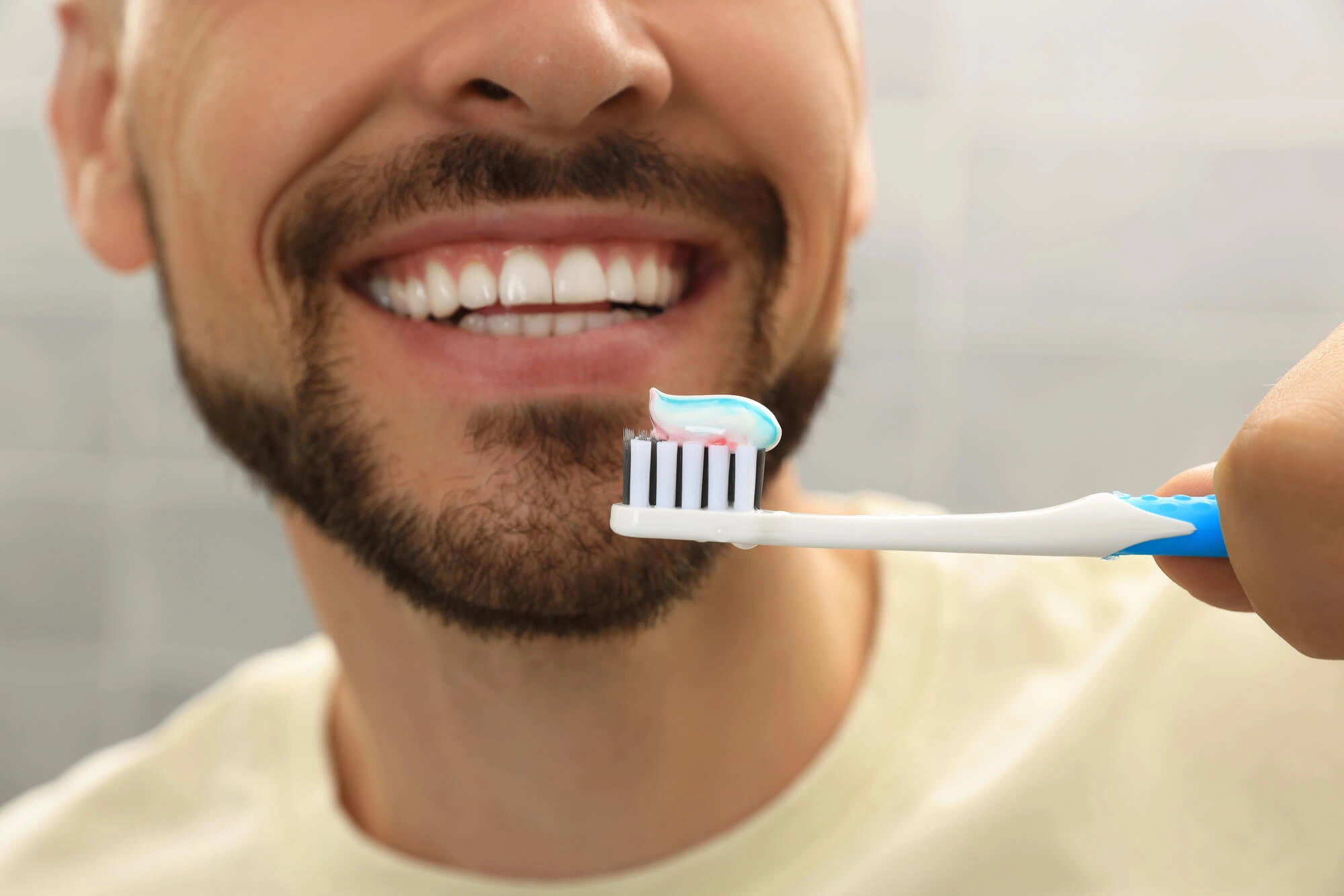
Brushing is important, but breath health goes beyond your toothbrush. Bad breath, or halitosis, can come from several sources in your mouth — and sometimes even from elsewhere in the body.
1. Bacteria on Your Tongue
Your tongue is home to millions of bacteria, especially near the back, where it’s hard to clean. These bacteria break down food particles and release sulfur compounds that have a distinct odor — even after brushing. If you’re not cleaning your tongue daily, it could be the missing step in your routine.
Solution: Use a tongue scraper or brush your tongue gently every time you brush your teeth. Be sure to reach toward the back without triggering your gag reflex.
2. Dry Mouth (Xerostomia)
Saliva helps rinse your mouth and control odor. If your mouth is dry — especially overnight — bacteria thrive. This is why morning breath is so common, even with good brushing habits.
Solution: Stay hydrated. Chew sugar-free gum to stimulate saliva. Avoid alcohol-based mouthwashes that dry you out even more. Ask your dentist if your medications may be contributing to dry mouth.
3. Gum Disease
Bleeding gums, inflammation, or a persistent bad taste may be signs of gum disease. As plaque builds below the gumline, it releases odors that brushing alone can’t eliminate.
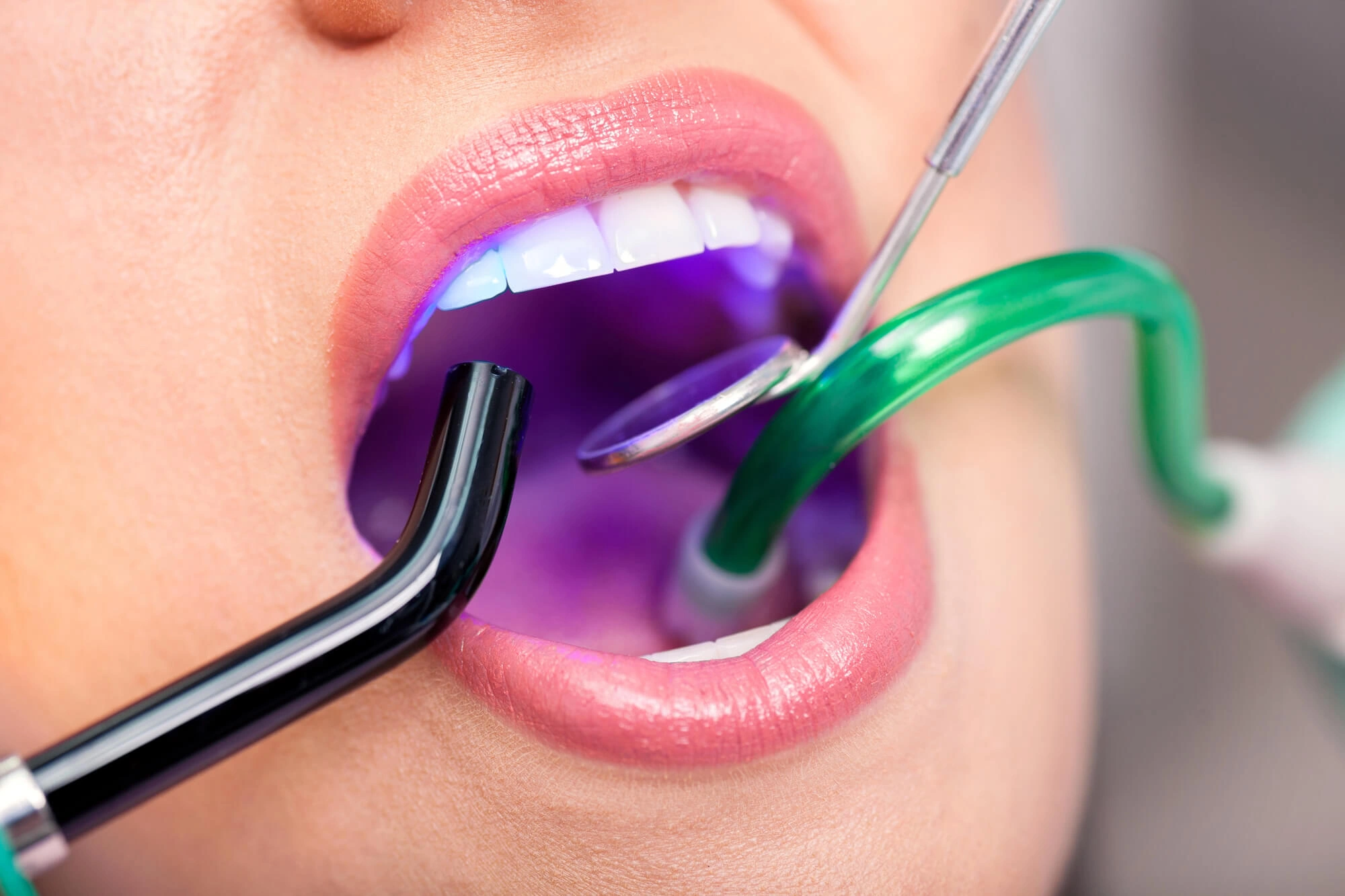
Solution: A professional cleaning can remove hidden plaque and bacteria. Your dentist may also recommend specialized mouth rinses or more frequent visits to help manage your gum health.
4. Dental Restorations and Cavities
Old fillings, crowns, or untreated cavities can trap food and bacteria, creating an odor you can’t brush away.
Solution: Regular dental exams catch these issues early. Your dentist can check for leaks or decay and recommend repairs that eliminate the source of the smell.
5. Tonsil Stones and Post-Nasal Drip
Sometimes, the odor isn’t coming from your teeth at all. Mucus from post-nasal drip or tonsil stones (those small, white, smelly particles at the back of your throat) can cause noticeable breath issues.
Solution: Staying on top of allergies or sinus problems helps. Gentle gargling or using a water flosser can help keep the back of your mouth cleaner. If needed, your dentist may refer you to an ENT specialist.
6. Your Diet and Lifestyle
Certain foods, such as garlic, onions, coffee, and dairy products, can linger in the mouth or stomach and contribute to breath issues. Tobacco products and alcohol also leave lasting odors and worsen dry mouth.
Solution: Rinse with water after meals. Cut back on trigger foods. Quit smoking if possible. Add crunchy fruits and vegetables to naturally clean your mouth as you chew.

When to See a Dentist in Steele Creek About Bad Breath
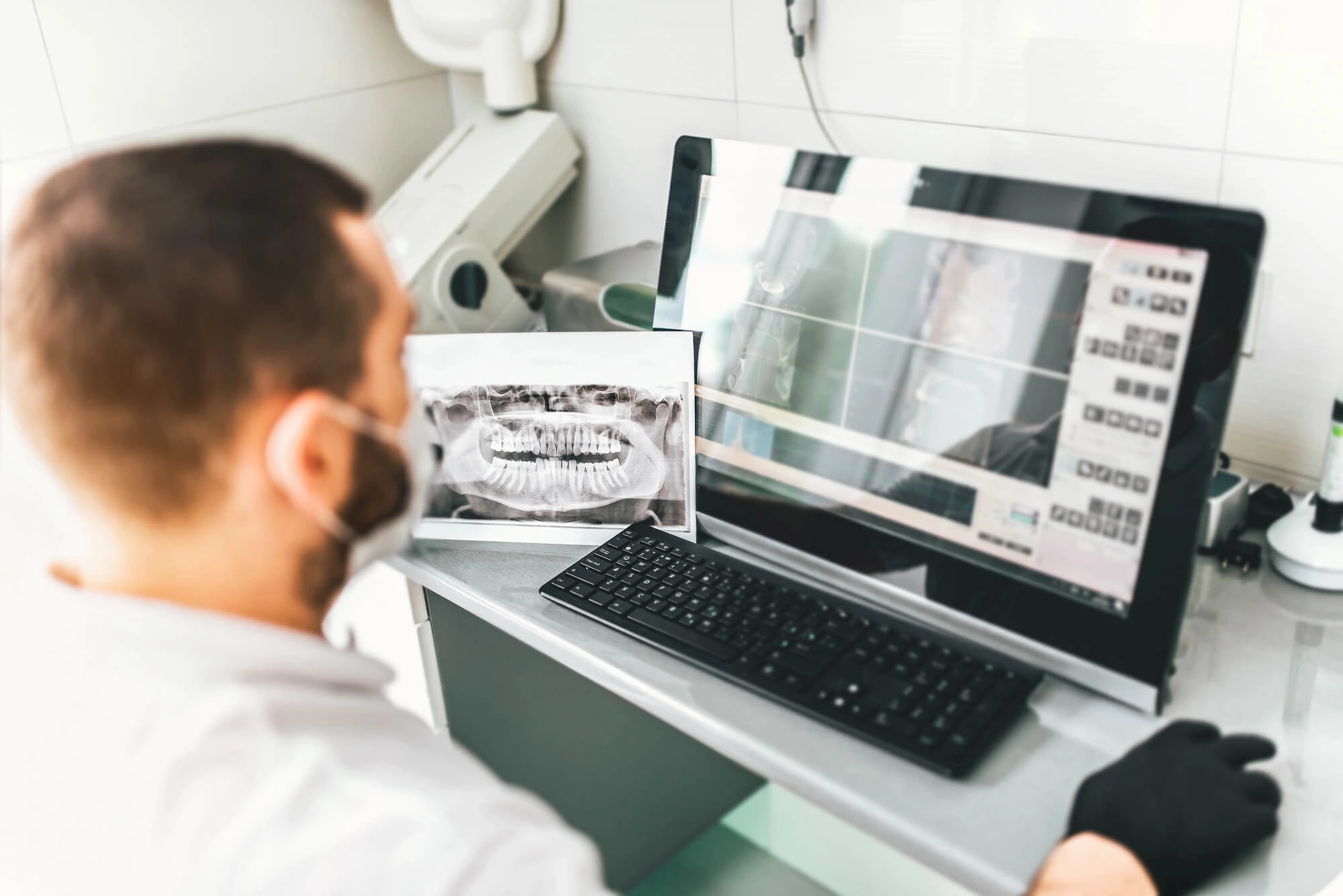
If you’ve improved your hygiene habits but the problem persists, it’s time to consult a dentist. Chronic bad breath is something you shouldn't have to live with or feel embarrassed about. It’s often a sign your mouth needs more support — and we’re here to help.
Dr. Sam J. Kleitches and his caring team will take the time to understand what’s going on and create a plan that works for you. Whether it’s a simple cleaning, a deeper evaluation, or just honest answers to your questions, we’ll help you breathe easy again.
Ready to stop worrying about your breath? Call Sam J. Kleitches, DDS, in Steele Creek today or request your appointment online. We’re here to help you feel confident every time you smile.