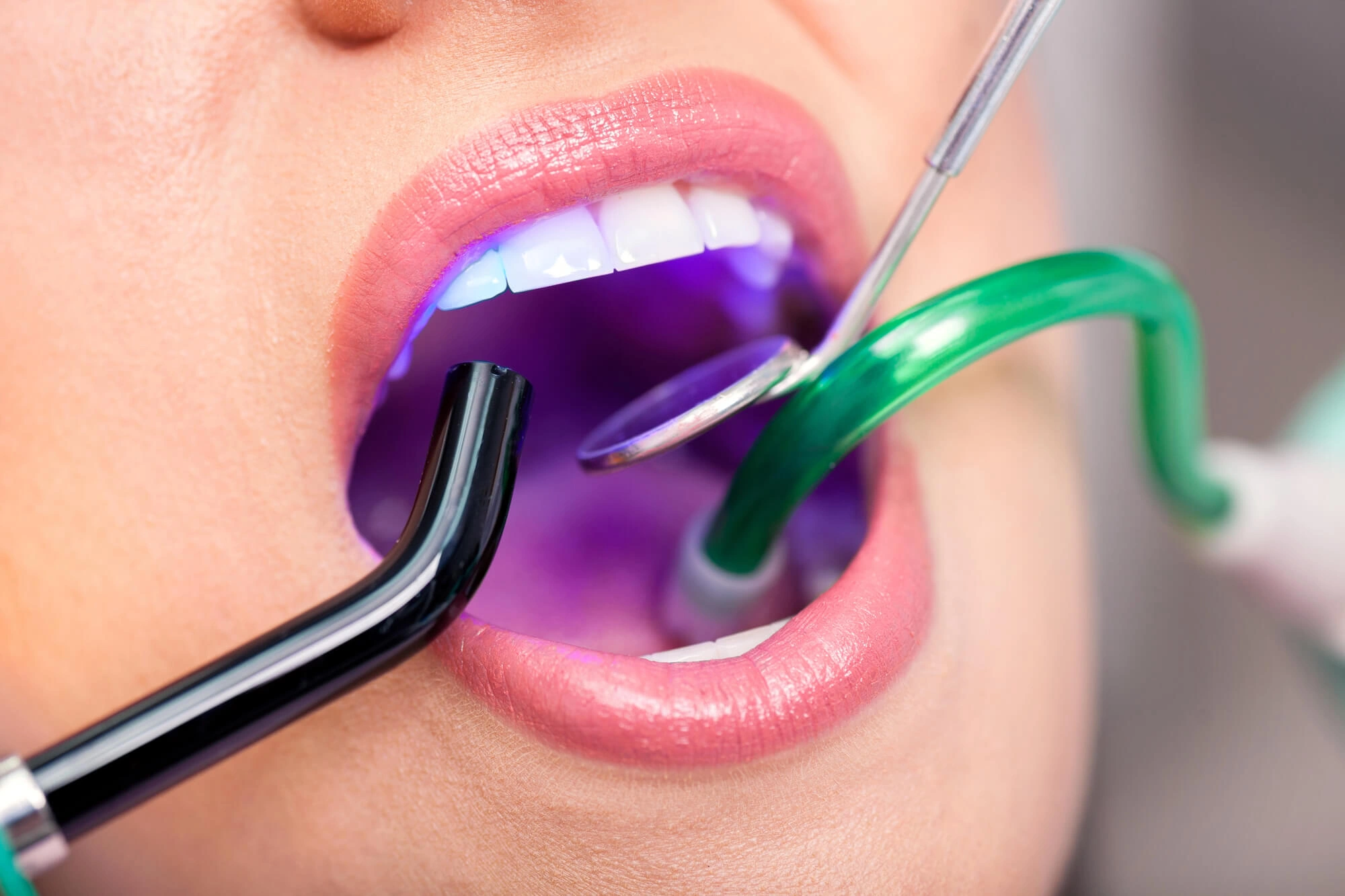
Tooth Trouble? How to Handle a Dental Emergency Before It Gets Worse
Dental emergencies rarely happen at convenient times. Whether it’s a sudden toothache, a cracked tooth from a fall, or a lost filling, the discomfort and anxiety can be overwhelming. Acting quickly is key and not just for relief, but to prevent permanent damage. Knowing what to do while getting professional care can protect your teeth and save your smile.

Recognizing a Dental Emergency
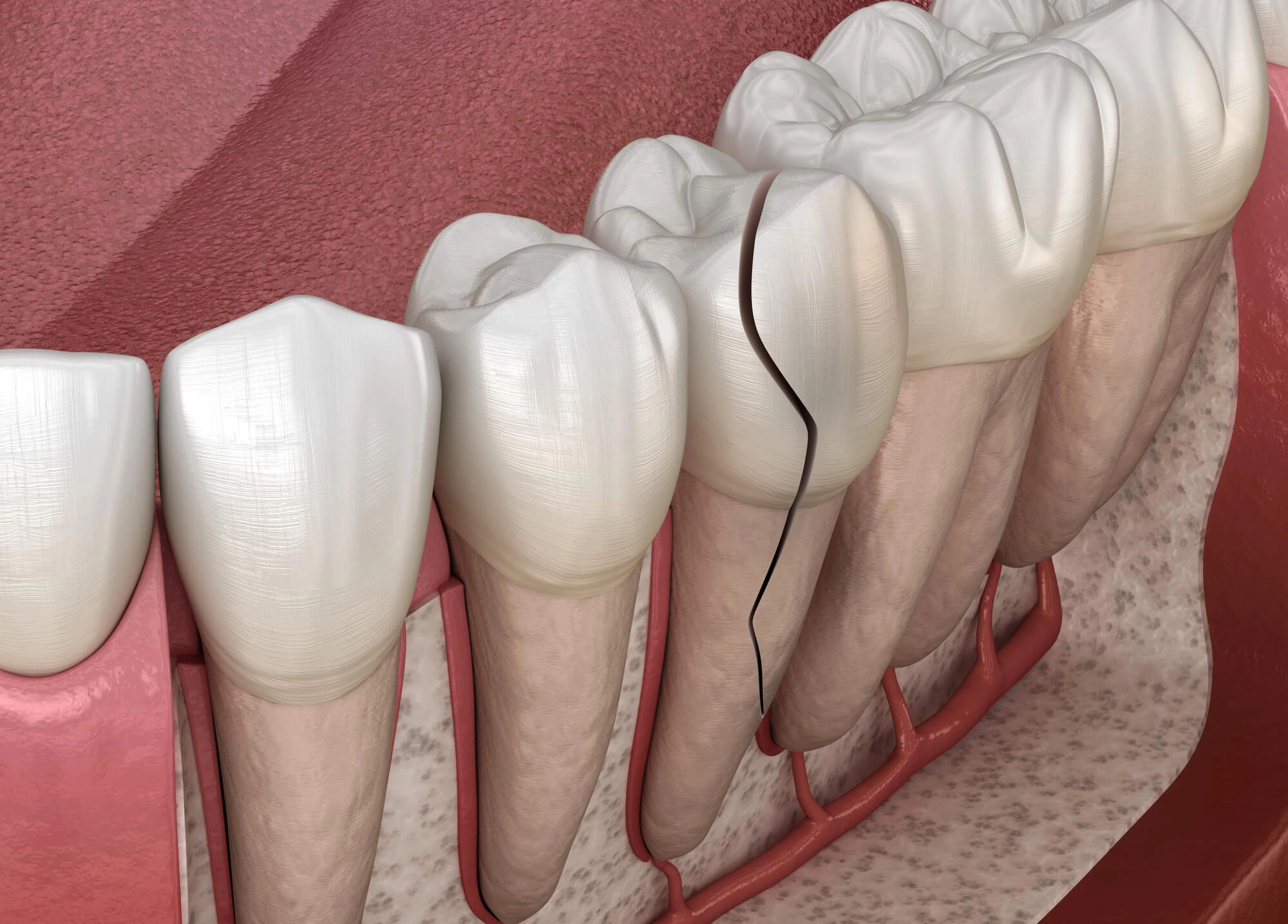
Not every dental issue requires an immediate visit, but some signs indicate urgent attention is necessary. Severe pain, swelling, bleeding, or a tooth that is knocked out are all clear emergencies. Even smaller issues, like a dislodged crown or a broken filling, should be addressed promptly. Ignoring these symptoms can lead to infections, worsening pain, and more complex procedures later.
Why Seeing an Emergency Dentist Matters
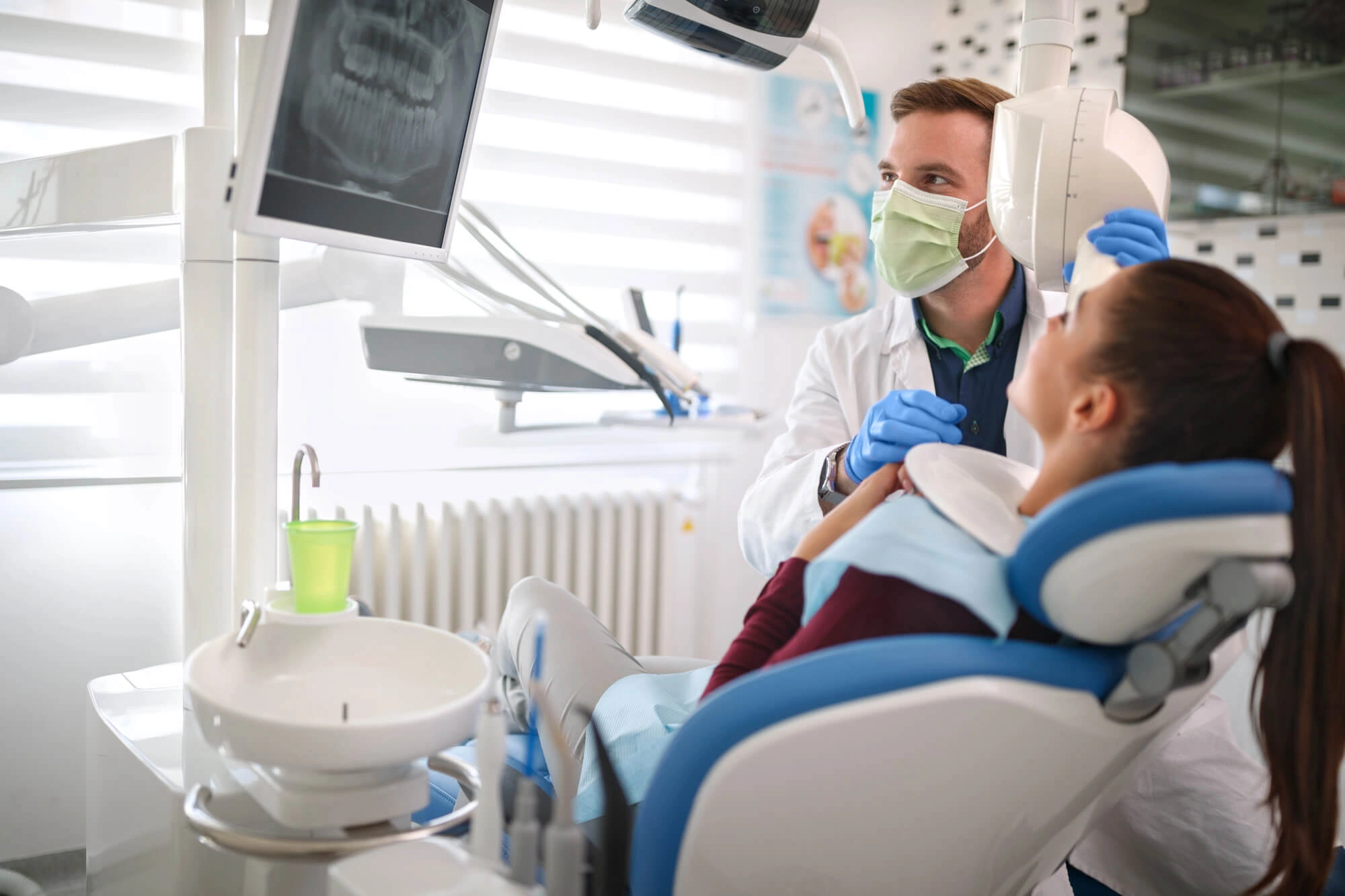
While temporary measures can help manage discomfort, only a licensed emergency dentist can properly assess and treat the issue. Professional care ensures that pain is controlled safely, infections are treated, and your teeth are preserved whenever possible. Attempting to “wait it out” or self-treat can increase the risk of losing a tooth or needing more invasive procedures.
Immediate Steps You Can Take
While professional care is always the priority, there are a few safe actions you can take while arranging an appointment:
- Rinse your mouth gently with warm water to clean the area.
- Apply a cold compress to reduce swelling.
- Avoid chewing on the affected side to prevent further damage.
- Take over-the-counter pain medication if needed, following the instructions carefully.
These steps are not replacements for professional care but can help minimize discomfort until you reach an emergency dentist.
Common Types of Dental Emergencies
- Dental emergencies can vary widely, but some of the most frequent include:
- Severe toothache or pulp pain caused by deep cavities or infection
- Knocked out or broken teeth from accidents or trauma
- Lost fillings or crowns that expose sensitive areas
- Abscesses or infections that cause swelling, fever, or discomfort
Recognizing these issues quickly and contacting a professional can prevent complications and preserve your natural teeth.
Preventing Further Damage While Waiting for Care
During a dental emergency, protecting your teeth and gums is critical. Avoid chewing hard foods on the affected side, keep the area clean, and follow any guidance provided by your dentist over the phone. These steps ensure that when you arrive for treatment, the damage hasn’t progressed and your emergency dentist can work effectively to restore your oral health.

Get Help Fast from an Emergency Dentist in Steele Creek
Dental emergencies can happen at any moment, and acting quickly is crucial to prevent further damage and relieve pain. An emergency dentist in Steele Creek is ready to provide prompt evaluations, effective treatment, and immediate relief. Don’t wait when a dental emergency strike. Reach out to an emergency dentist in Steele Creek right away for fast, reliable care and peace of mind.