How Do Dental Sealants Help Prevent Cavities?
Dental sealants create a protective barrier over the grooves and pits of back teeth, helping keep cavity-causing bacteria and food particles away from areas that can be difficult to clean. As part of Steele Creek modern dentistry, sealants can provide an additional layer of protection alongside brushing, flossing, fluoride, and regular dental visits.
How Do Dental Sealants Protect Teeth?
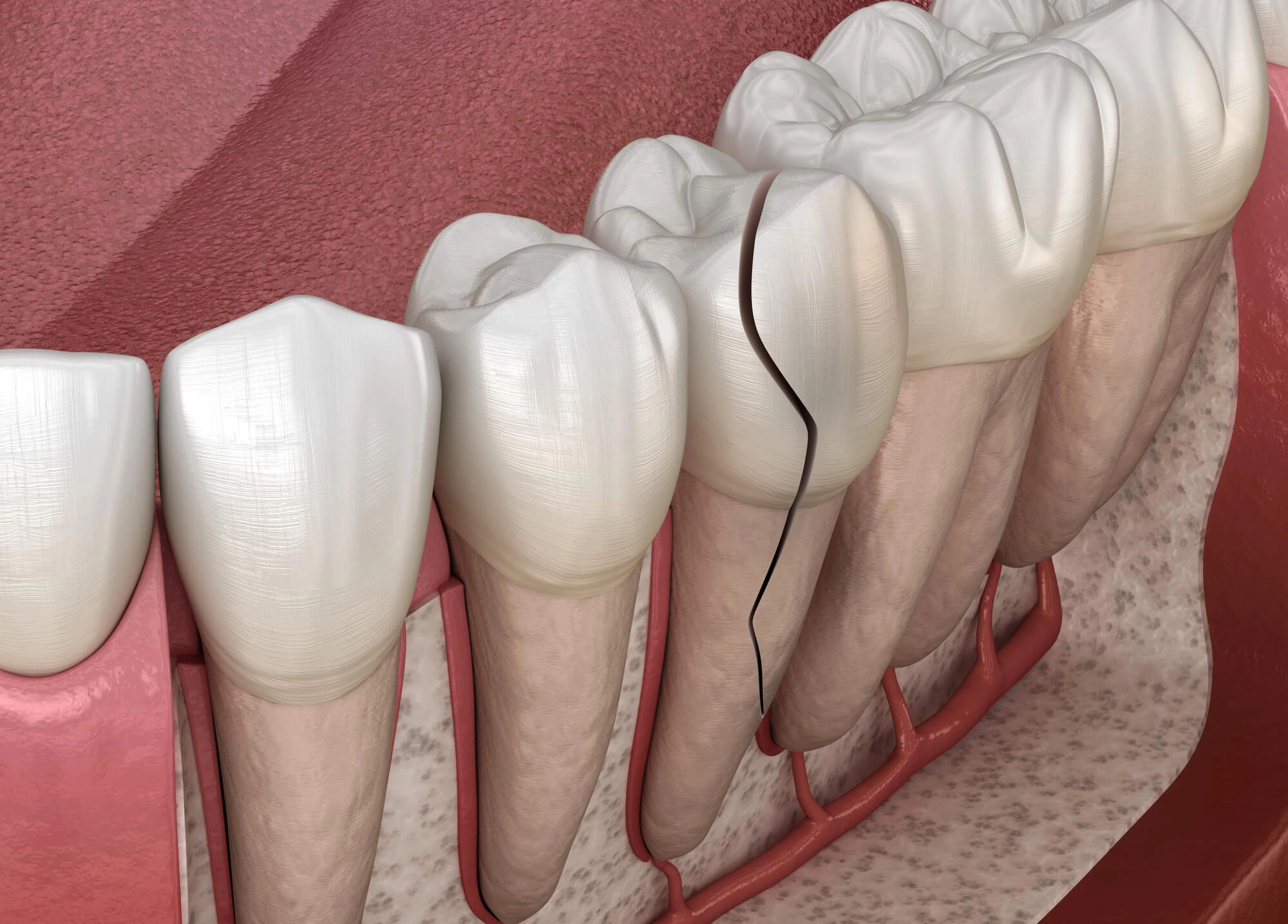
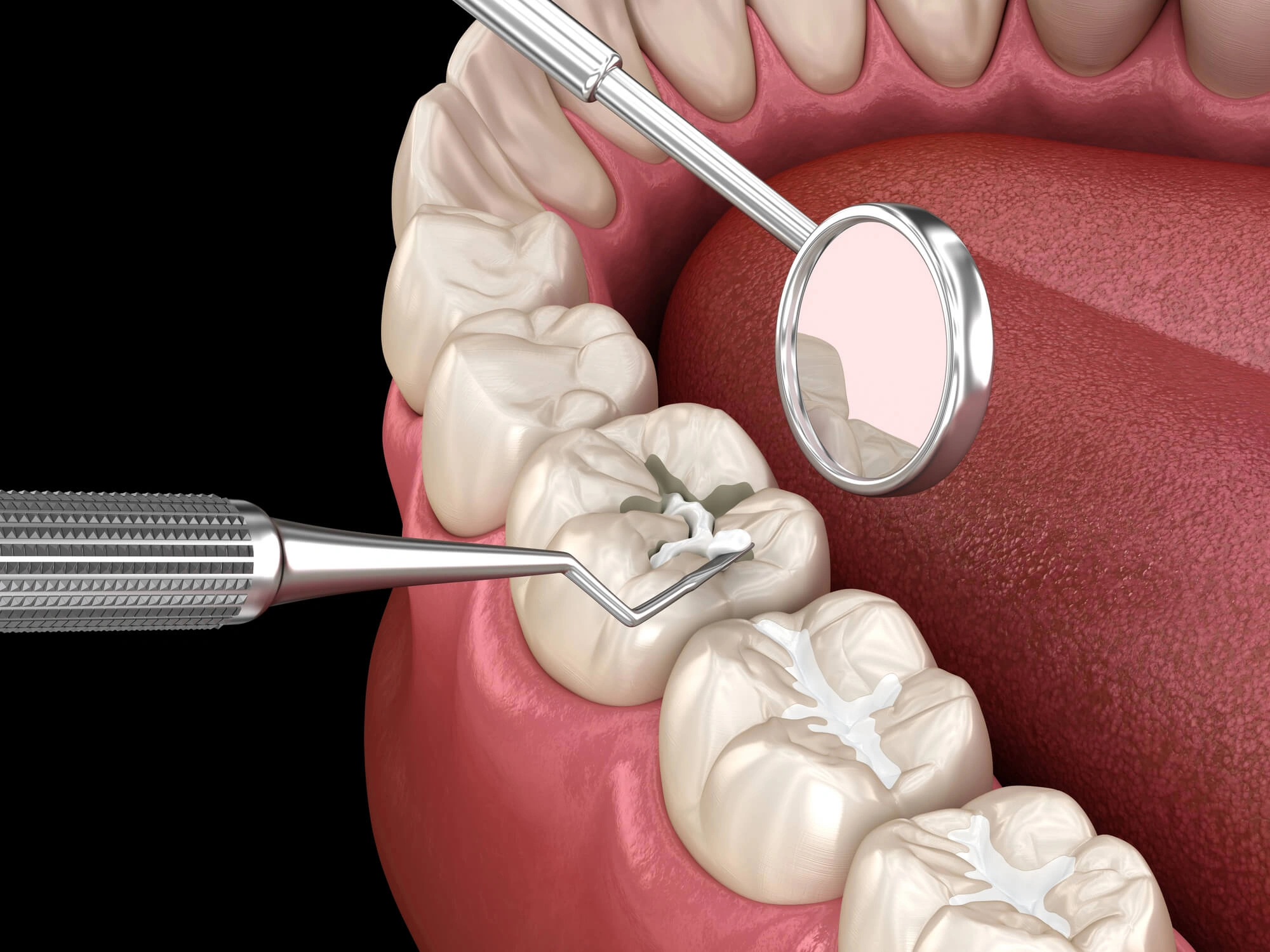
The chewing surfaces of molars and premolars contain natural grooves called pits and fissures. These areas can trap food particles and bacteria, making them more challenging to clean thoroughly with a toothbrush. Over time, this buildup can contribute to tooth decay.
Dental sealants are thin protective coatings applied to these surfaces. Once placed, the material flows into the grooves and creates a smoother surface that is easier to keep clean. By sealing these vulnerable areas, sealants can help reduce the chances of bacteria and food becoming trapped.
Who Can Benefit From Dental Sealants?
Dental sealants are commonly recommended for children and teenagers because newly erupted permanent molars can have deep grooves that are particularly susceptible to cavities. However, adults may also benefit from sealants depending on their individual oral health needs.
A dentist can examine the shape and condition of your teeth to determine whether sealants could provide meaningful protection. They may be especially useful for people who have deep pits and fissures or a history of developing cavities on the chewing surfaces of their back teeth.
What Happens During a Sealant Appointment?
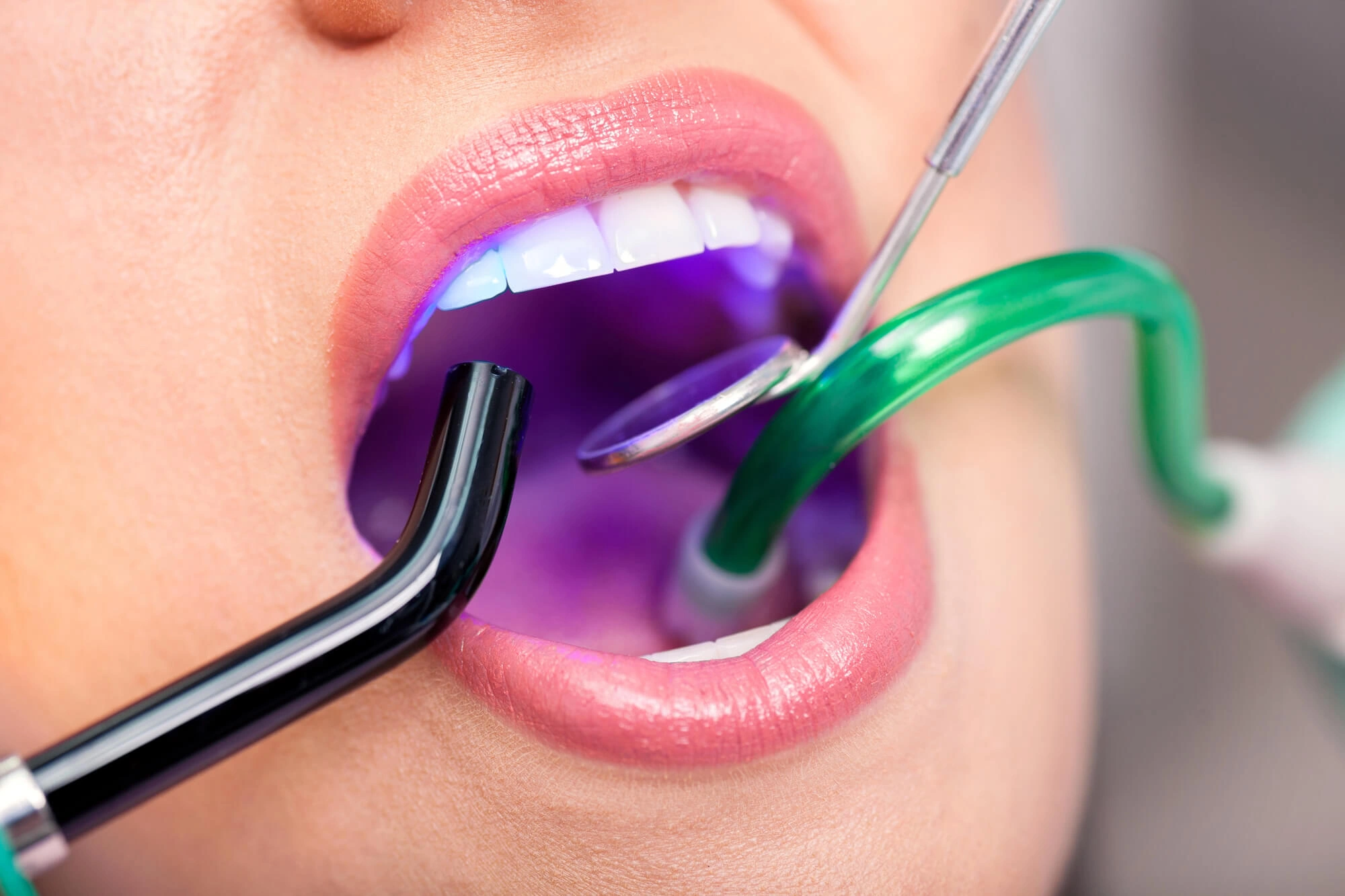
Applying dental sealants is generally a straightforward process. The dentist first cleans and dries the tooth to prepare the surface. A conditioning solution may then be used to help the sealant bond properly. The material is carefully painted onto the grooves of the tooth and hardened with a curing light.
The procedure does not require removing healthy tooth structure. In many cases, sealants can be placed during a routine dental appointment.
Are Dental Sealants a Replacement for Brushing and Flossing?
No. Dental sealants are an additional preventive measure rather than a substitute for daily oral hygiene. Even with sealants, patients should continue caring for their teeth every day.
Important habits include:
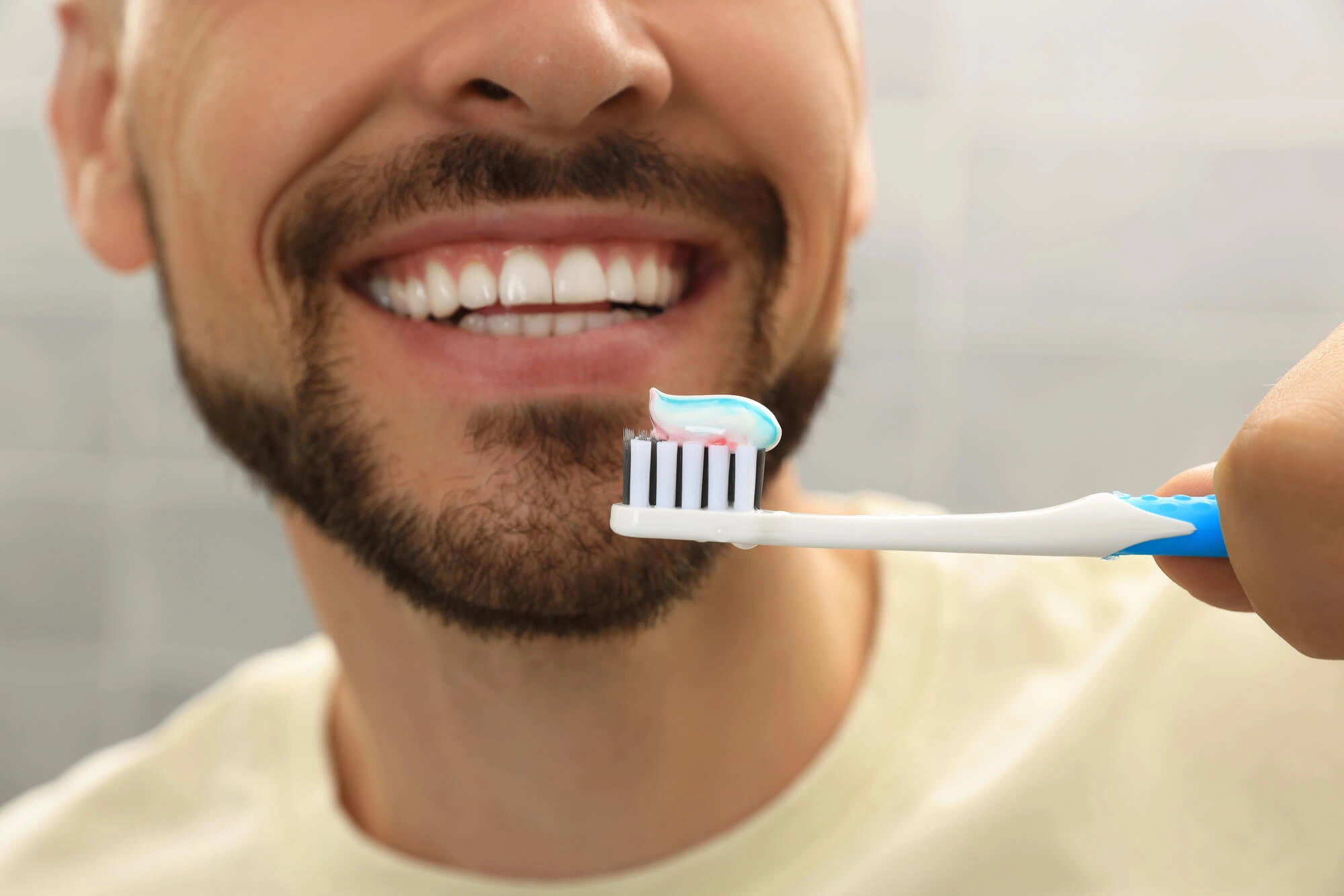
- Brushing twice a day with fluoride toothpaste
- Cleaning between teeth daily
- Limiting frequent sugary snacks and drinks
- Visiting the dentist for regular examinations
- Following individualized preventive care recommendations
Sealants primarily protect the surfaces where they are applied, while brushing and flossing help clean other areas throughout the mouth.
How Long Do Dental Sealants Last?
Dental sealants can remain effective for several years, but they may eventually wear down or become damaged. Regular dental examinations allow your dentist to check whether the sealant remains intact and determine if it needs to be repaired or replaced.
A sealant does not guarantee that a tooth will never develop a cavity. However, it can provide valuable protection when combined with consistent oral hygiene and professional preventive care.

Protect Your Smile With Steele Creek Modern Dentistry
If you want to take a proactive approach to cavity prevention, dental sealants may be a useful addition to your preventive care plan. Sam Kleitch's Dentistry can evaluate your teeth, discuss your cavity risk, and determine whether sealants are appropriate for you or your child. Schedule a dental visit today to learn more about protecting your smile from tooth decay.