How Is Periodontal Disease Treated?
Periodontal disease can often be managed more effectively when it is identified and treated early. Periodontal disease treatment in Charlotte focuses on controlling infection, protecting the supporting structures around your teeth, and helping you maintain healthier gums. Periodontal treatment depends on the severity of the disease and your individual oral health needs.
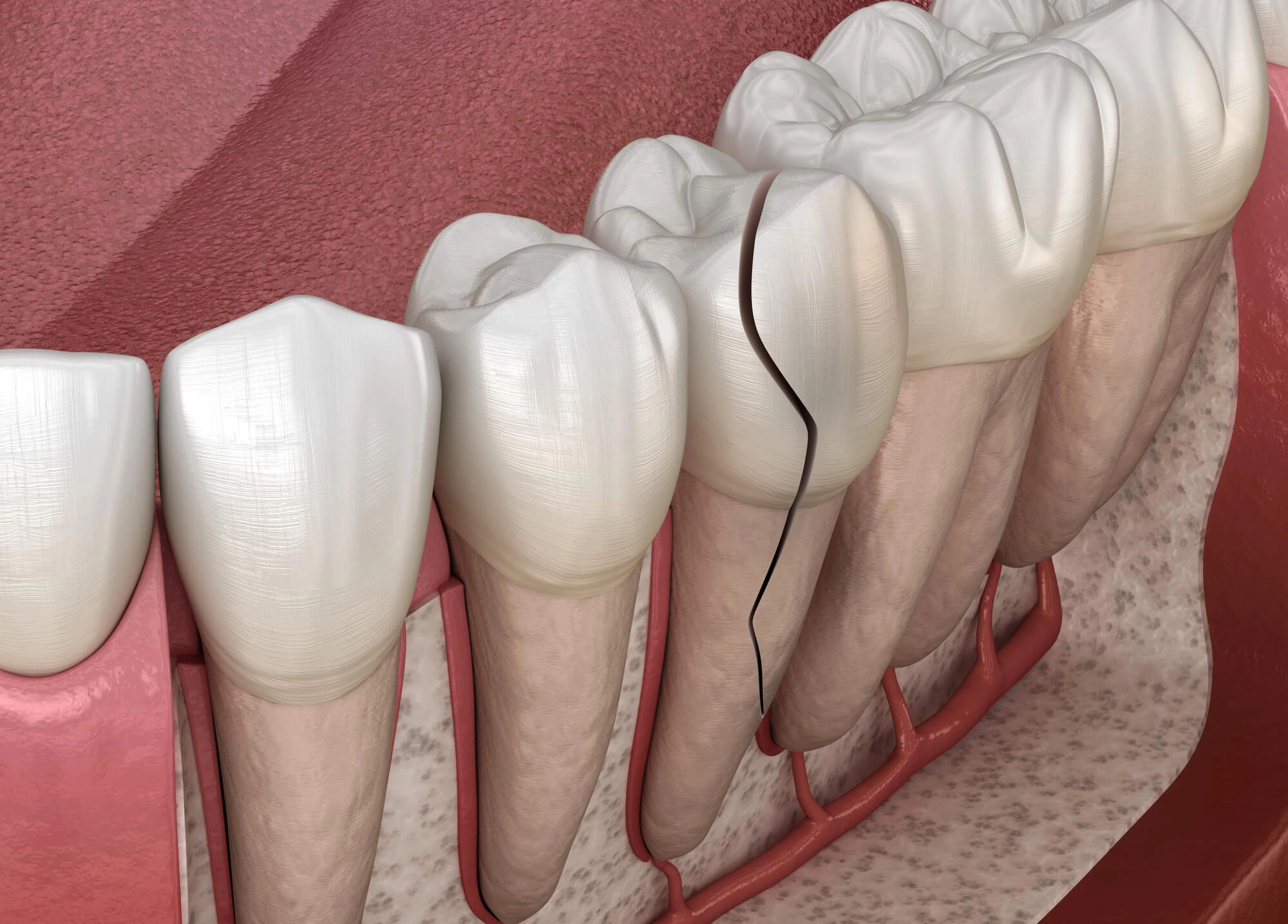
Periodontal disease begins when bacteria and plaque accumulate around the teeth and irritate the gums. Early gum disease may cause redness, swelling, tenderness, or bleeding during brushing and flossing. Without appropriate care, the infection can progress and affect the bone and tissues that support the teeth.

What Treatment Options Are Available?
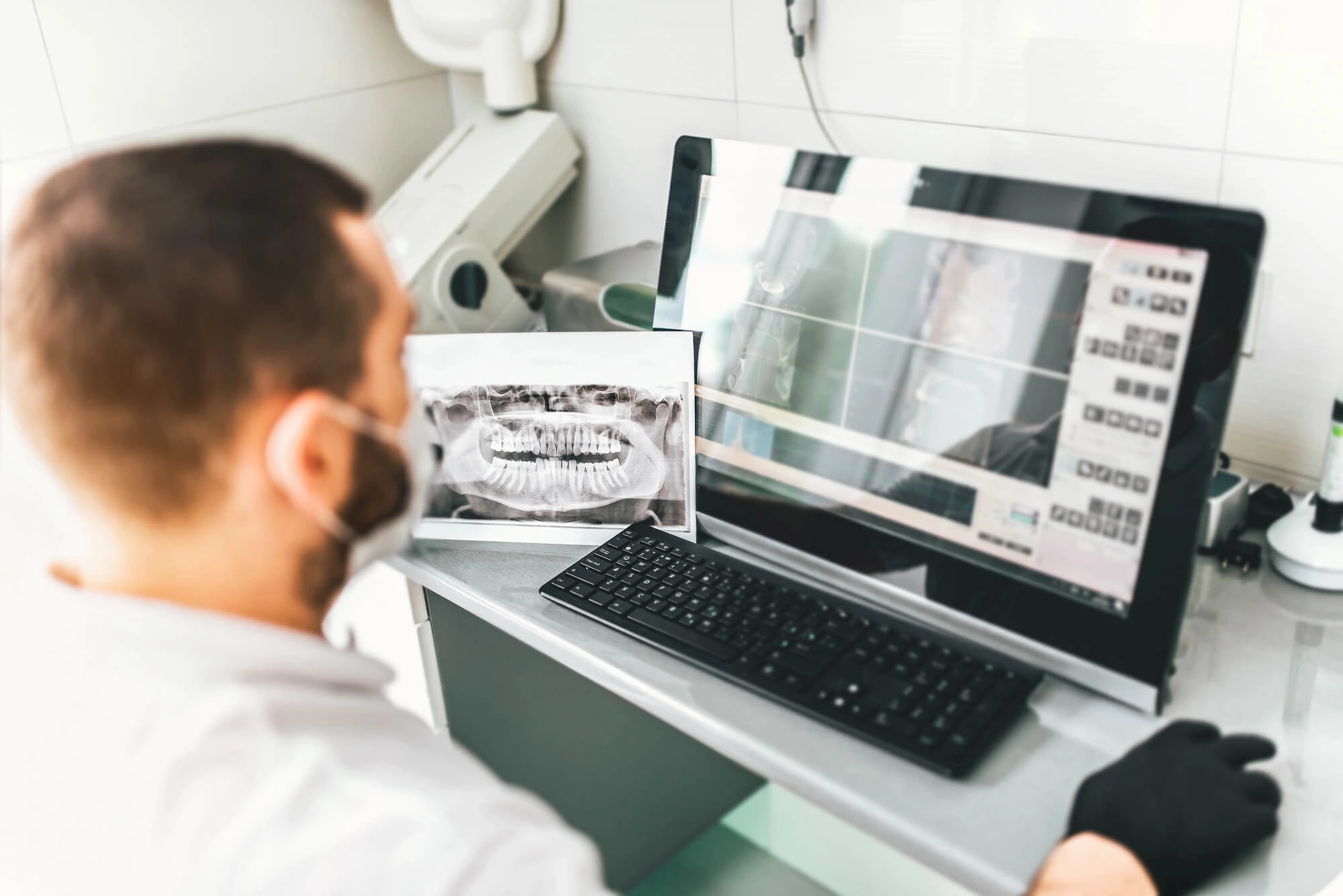
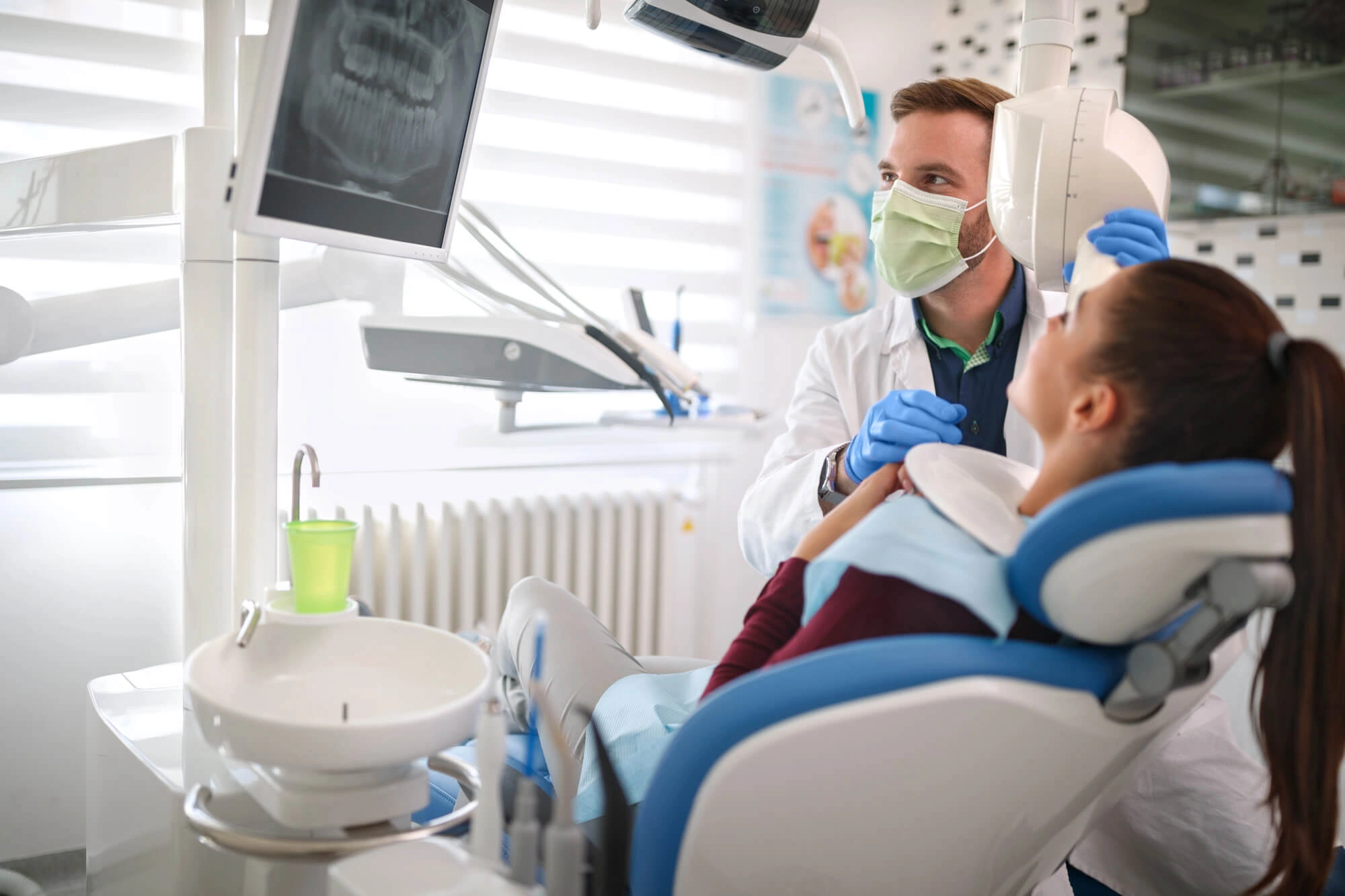
Treatment varies according to how advanced the periodontal disease has become. A periodontal evaluation allows the dental team to examine your gums, measure periodontal pockets, and assess the overall condition of your teeth and supporting structures. Based on these findings, a personalized treatment plan can be developed.
Non-Surgical Periodontal Treatment
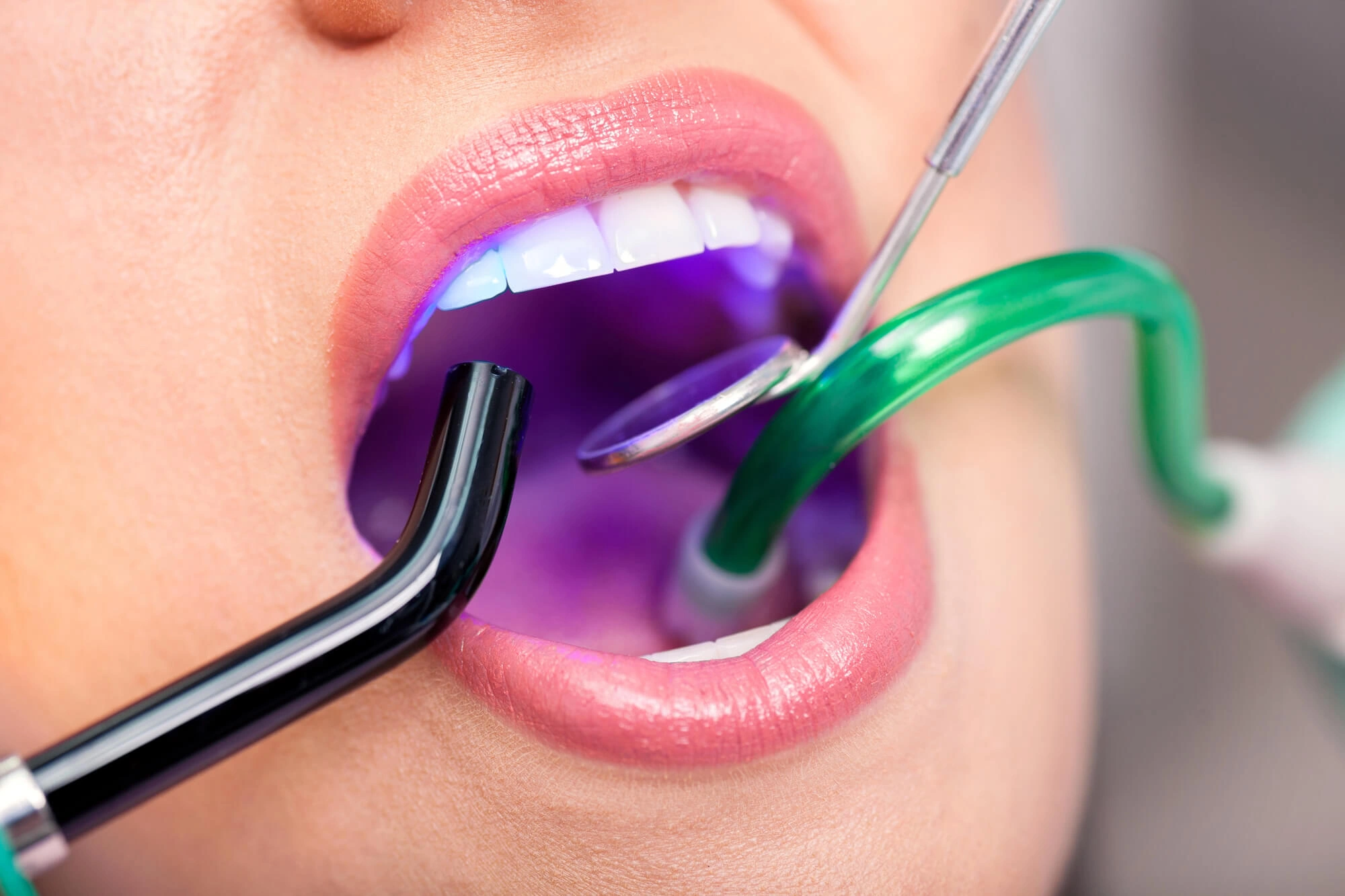
Milder and moderate cases may be managed with professional periodontal cleaning and improved daily oral hygiene. A deep cleaning procedure may be recommended to remove plaque and tartar from below the gumline and smooth areas where bacteria can accumulate. This can help reduce inflammation and create a healthier environment for the gums.
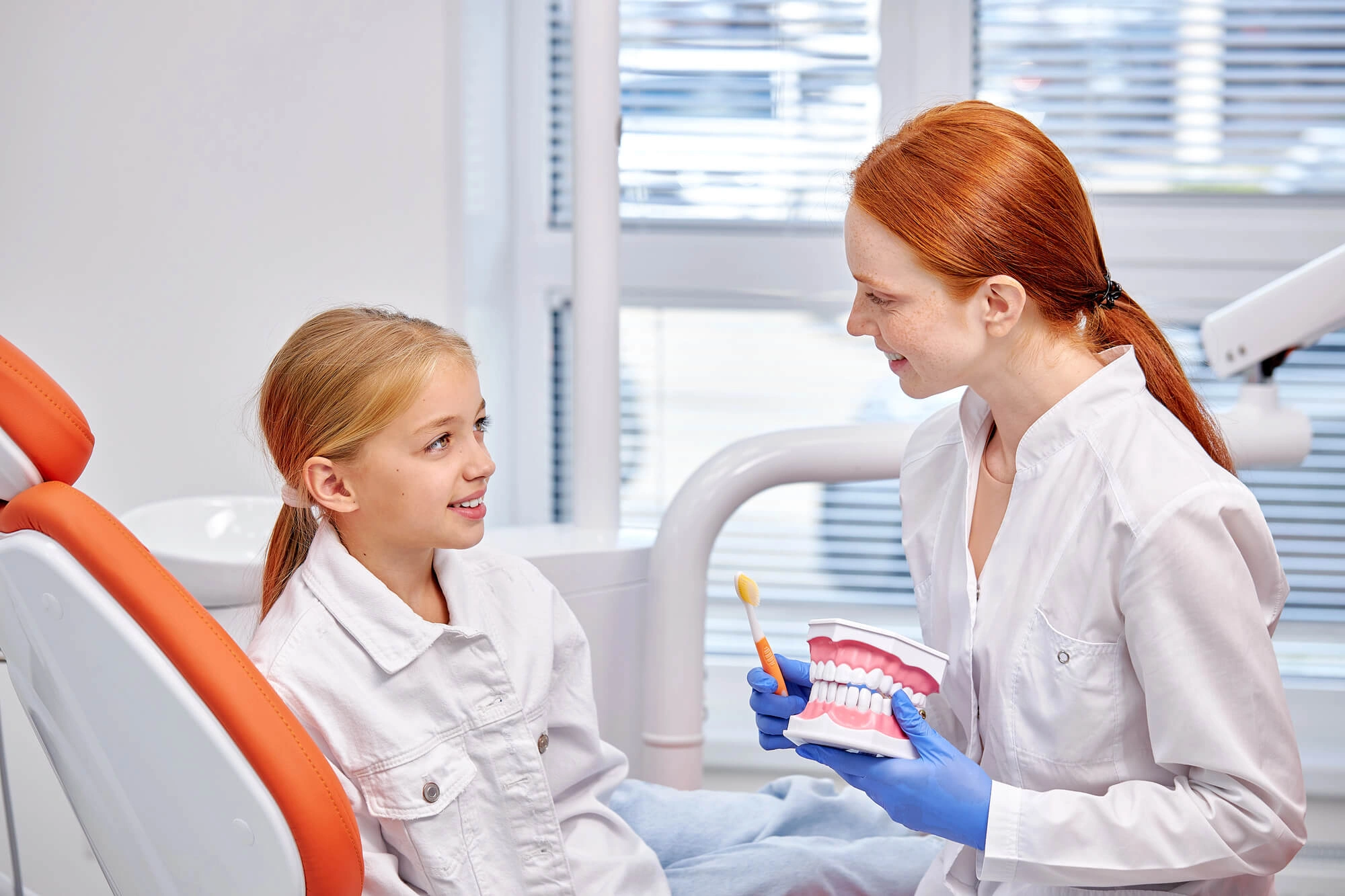
Patients may also receive recommendations for improving their brushing and flossing techniques. Maintaining these habits at home is important because periodontal health depends on consistent plaque control. Regular follow-up appointments allow the dental team to monitor healing and determine whether additional treatment is necessary.
Treatment for Advanced Gum Disease
More advanced periodontal disease may require additional treatment when infection has affected deeper gum tissues or supporting bone. The goal is to control the disease, preserve remaining healthy structures, and prevent further progression. Your periodontic specialist can explain which approaches are appropriate after evaluating your specific condition.
Signs that may indicate the need for periodontal evaluation include:
- Persistent gum bleeding
- Swollen or tender gums
- Persistent bad breath
- Loose or shifting teeth
- Changes in the way teeth fit together
Why Is Early Treatment Important?
Gum disease does not always cause noticeable discomfort, so regular dental and periodontal evaluations are important even when your mouth feels normal. Detecting problems earlier may allow treatment to be less complex and help protect the structures supporting your teeth. Patients should speak with a dental professional if they notice persistent changes in their gums or teeth.
How Can You Protect Your Gum Health?
Daily brushing and flossing, routine professional cleanings, and regular dental evaluations can help reduce plaque and support healthy gums. Avoiding tobacco products and maintaining consistent oral hygiene can also contribute to better periodontal health. Following your dental professional's recommendations is especially important after periodontal treatment.
Frequently Asked Questions
Can periodontal disease be cured?
Early gum disease can often be reversed with professional care and improved oral hygiene, while advanced disease can usually be managed with appropriate treatment.
Is periodontal treatment painful?
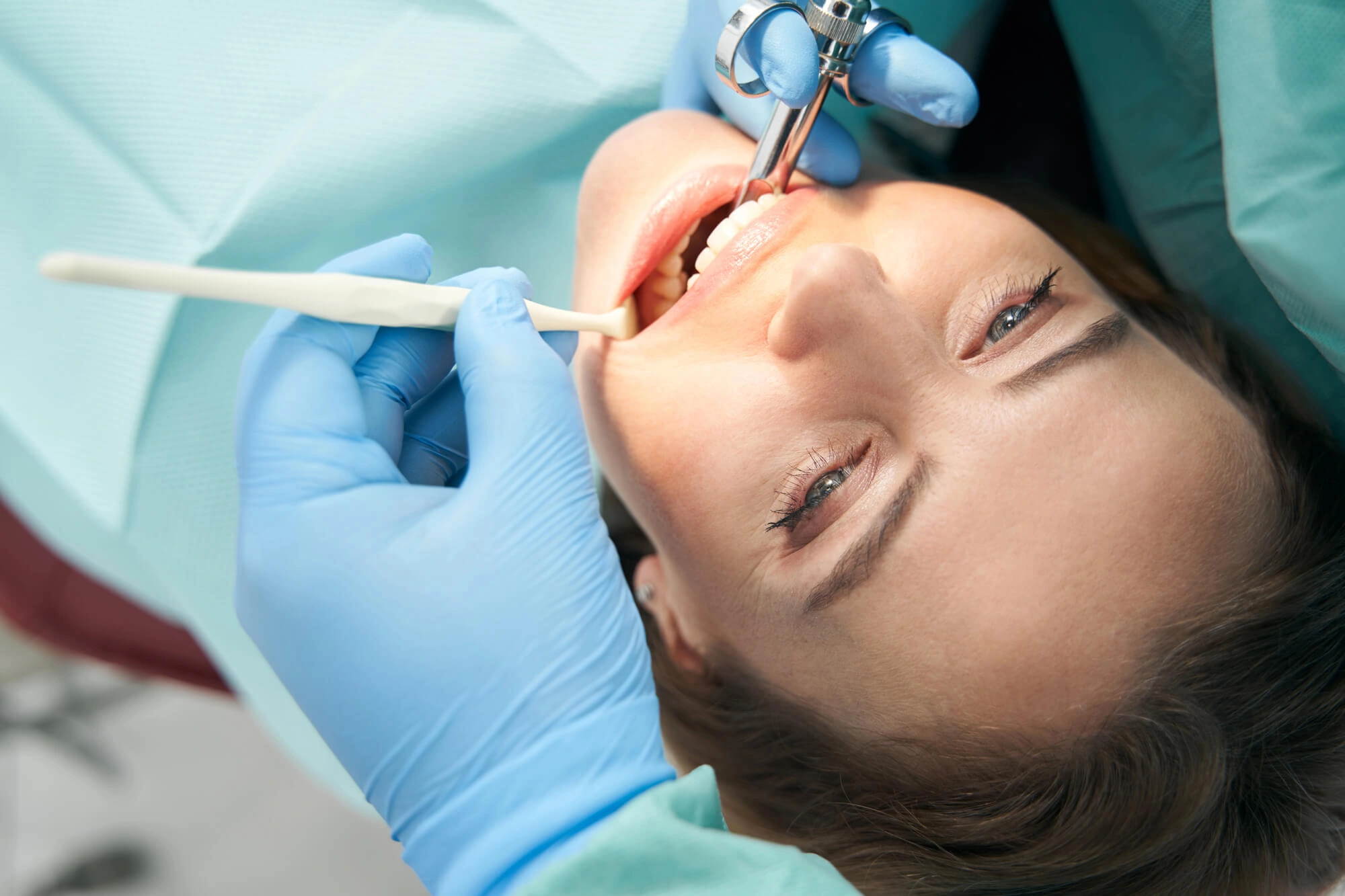
Your dental professional can use appropriate comfort measures to help make periodontal treatment as comfortable as possible.
How often should I have my gums checked?
The recommended frequency depends on your periodontal health, risk factors, and treatment history.
Schedule Your Appointment for Periodontal Disease Treatment in Charlotte
Healthy gums are an important part of maintaining strong teeth and a healthy smile. Sam Kleitches Dentistry provides periodontal care focused on evaluating gum health and developing treatment plans based on each patient's needs. Schedule an evaluation to discuss your symptoms and learn which periodontal treatment options may be right for you.